Blog

  • Blueberry Cream Cheese Loaf

    Blueberry Cream Cheese Loaf

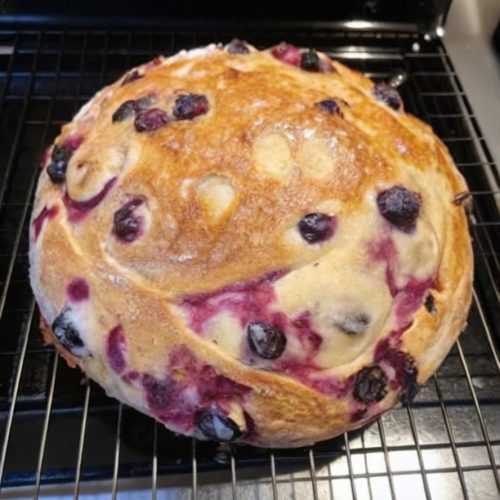
    Blueberry Cream Cheese Loaf: Moist, Bakery-Style Recipe You’ll Love

    If you’re searching for a bakery-quality quick bread that’s soft, moist, and bursting with flavor, blueberry cream cheese loaf is the perfect choice. This delicious loaf combines the tangy richness of cream cheese with juicy blueberries, creating a tender crumb and irresistible taste in every slice. Ideal for breakfast, brunch, dessert, or an afternoon snack, blueberry cream cheese loaf is a versatile treat that never fails to impress.

    In this complete guide, you’ll learn how to make the best blueberry cream cheese loaf at home, plus helpful tips, variations, storage instructions, and detailed nutrition information.


    What Is Blueberry Cream Cheese Loaf?

    Blueberry cream cheese loaf is a sweet quick bread made with fresh or frozen blueberries and a cream cheese-enriched batter. Unlike yeast breads, this loaf uses baking powder for leavening, making it quick and easy to prepare.

    The addition of cream cheese gives the loaf:

    • Extra moisture

    • A rich, slightly tangy flavor

    • A soft, velvety texture

    This makes it more indulgent than a standard blueberry loaf while still being simple enough for everyday baking.


    Why You’ll Love This Blueberry Cream Cheese Loaf

    • ✔ Moist and tender crumb

    • ✔ Bursting with juicy blueberries

    • ✔ Rich flavor from cream cheese

    • ✔ Easy, no-yeast recipe

    • ✔ Perfect for make-ahead baking

    • ✔ Freezer-friendly

    Whether you’re baking for guests or treating yourself, this loaf is always a hit.


    Ingredients for Blueberry Cream Cheese Loaf

    Dry Ingredients
    • 2 cups all-purpose flour

    • 1 teaspoon baking powder

    • ½ teaspoon baking soda

    • ¼ teaspoon salt

    Wet Ingredients
    • 4 oz cream cheese, softened

    • ½ cup unsalted butter, softened

    • ¾ cup granulated sugar

    • 2 large eggs

    • ½ cup milk or yogurt

    • 1 teaspoon vanilla extract

    Blueberries
    • 1 ½ cups fresh or frozen blueberries

    • 1 tablespoon flour (to coat blueberries)


    How to Make Blueberry Cream Cheese Loaf (Step-by-Step)

    Step 1: Prepare the Pan and Oven

    Preheat your oven to 175°C (350°F). Grease and line a standard loaf pan with parchment paper.

    Step 2: Mix Dry Ingredients

    In a medium bowl, whisk together flour, baking powder, baking soda, and salt. Set aside.

    Step 3: Cream Butter, Cream Cheese, and Sugar

    In a large bowl, beat softened butter and cream cheese until smooth and creamy. Add sugar and beat until light and fluffy.

    Step 4: Add Eggs and Vanilla

    Add eggs one at a time, mixing well after each addition. Stir in vanilla extract.

    Step 5: Combine Wet and Dry Ingredients

    Add the dry ingredients in batches, alternating with milk or yogurt. Mix gently until just combined. Do not overmix.

    Step 6: Fold in Blueberries

    Toss blueberries with flour, then gently fold them into the batter.

    Step 7: Bake the Loaf

    Pour batter into the prepared loaf pan and smooth the top. Bake for 55–65 minutes, or until a toothpick inserted in the center comes out clean.

    Step 8: Cool and Serve

    Allow the loaf to cool in the pan for 15 minutes, then transfer to a wire rack to cool completely before slicing.


    Tips for the Best Blueberry Cream Cheese Loaf

    • Use room-temperature cream cheese for smooth batter

    • Do not overmix to keep the loaf tender

    • Coat blueberries in flour to prevent sinking

    • Tent with foil if the top browns too quickly

    • Let the loaf cool fully before slicing


    Blueberry Cream Cheese Loaf Variations

    Lemon Blueberry Cream Cheese Loaf

    Add 1 tablespoon lemon zest and 2 tablespoons lemon juice for a bright citrus flavor.

    Streusel-Topped Blueberry Loaf

    Top with a crumble of butter, sugar, and flour before baking for extra texture.

    Gluten-Free Blueberry Cream Cheese Loaf

    Use a 1:1 gluten-free baking flour blend.

    Healthier Version

    Reduce sugar slightly and use low-fat cream cheese and Greek yogurt.


    How to Serve Blueberry Cream Cheese Loaf

    This loaf is delicious served:

    • Warm with a little butter

    • With coffee or tea for breakfast

    • As part of a brunch spread

    • Lightly toasted with cream cheese

    It also makes a thoughtful homemade gift.


    Storage and Freezing Instructions

    Storing

    Store blueberry cream cheese loaf in an airtight container at room temperature for 2 days or in the refrigerator for up to 5 days.

    Freezing

    Wrap individual slices or the whole loaf tightly and freeze for up to 2 months. Thaw overnight in the refrigerator or at room temperature.

    Reheating

    Warm slices gently in the microwave or toaster oven before serving.


    Nutrition Information (Per Slice)

    Approximate values based on 10 slices per loaf:

    Nutrient Amount
    Calories 290 kcal
    Carbohydrates 38 g
    Protein 6 g
    Fat 13 g
    Saturated Fat 7 g
    Fiber 2 g
    Sugar 20 g
    Sodium 220 mg
    Calcium 80 mg

    Nutritional Benefits

    • Blueberries are rich in antioxidants and vitamin C

    • Cream cheese adds calcium and protein

    • Homemade loaf avoids preservatives found in store-bought versions


    Is Blueberry Cream Cheese Loaf Healthy?

    While blueberry cream cheese loaf is an indulgent baked good, it can be enjoyed in moderation as part of a balanced diet. Using fresh fruit, reducing sugar, or substituting whole-grain flour can improve its nutritional profile without sacrificing flavor.


    Frequently Asked Questions

    Can I use frozen blueberries?

    Yes. Do not thaw them before adding to prevent excess moisture.

    Why is my loaf dense?

    Overmixing or overbaking can cause density. Mix gently and check for doneness early.

    Can I make this loaf ahead of time?

    Absolutely. It tastes even better the next day as the flavors develop.

    Can I add a glaze?

    Yes. A simple powdered sugar and lemon juice glaze pairs beautifully with this loaf.


    Final Thoughts

    Blueberry cream cheese loaf is a moist, flavorful quick bread that’s easy to make and perfect for any occasion. The creamy richness of cream cheese combined with sweet, juicy blueberries creates a bakery-style loaf that’s both comforting and elegant.

    Whether you’re baking for family, guests, or yourself, this blueberry cream cheese loaf recipe is guaranteed to become a favorite.

  • Sourdough Tortillas

    Sourdough Tortillas

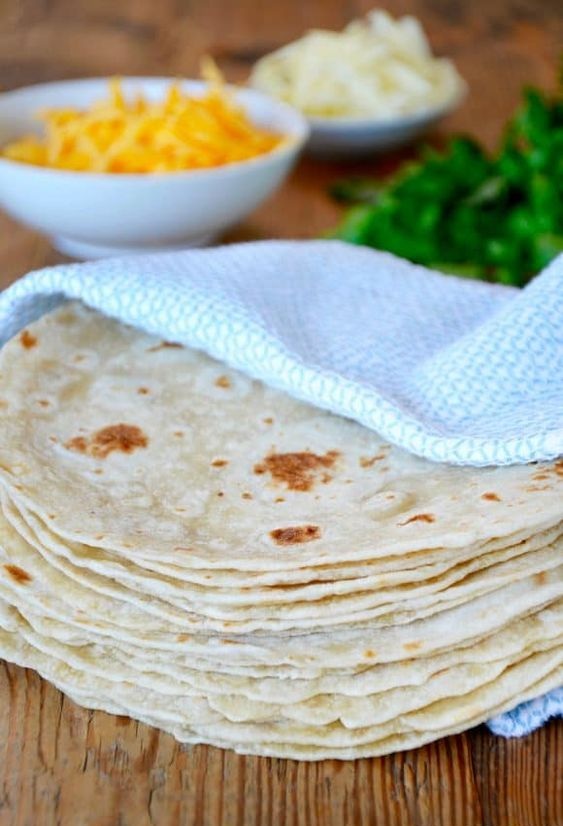
    🌮 Sourdough Tortillas (Soft, Flavorful & Naturally Fermented)

    If you’re looking to upgrade your homemade tortillas, Sourdough Tortillas are a game changer. Soft, pliable, and lightly tangy, these tortillas combine the traditional comfort of homemade flatbreads with the digestive and flavor benefits of sourdough fermentation.

    Made with simple pantry staples and sourdough starter, sourdough tortillas are perfect for tacos, wraps, quesadillas, burritos, and flatbread pizzas. Whether you’re using active starter or sourdough discard, this recipe helps reduce waste while creating delicious, wholesome tortillas.


    ⭐ Why You’ll Love Sourdough Tortillas

    • ✅ Soft and flexible texture

    • ✅ Mild tangy sourdough flavor

    • ✅ Easier to digest than conventional tortillas

    • ✅ No preservatives or additives

    • ✅ Perfect use for sourdough discard

    Once you try sourdough tortillas, it’s hard to go back to store-bought versions.


    🌾 What Are Sourdough Tortillas?

    Sourdough tortillas are unleavened flatbreads made using a sourdough starter instead of commercial yeast. While traditional tortillas rely on flour, fat, and water, sourdough tortillas introduce natural fermentation, improving both taste and digestibility.

    They can be made with:

    • All-purpose flour

    • Whole wheat flour

    • Spelt or einkorn flour

    And cooked quickly on a skillet—no oven required.


    🍞 Benefits of Sourdough Fermentation

    Sourdough fermentation offers several advantages:

    • Helps break down gluten

    • Improves mineral absorption

    • Enhances flavor naturally

    • May be gentler on digestion

    This makes sourdough tortillas a great choice for people who prefer traditional, slow-fermented foods.


    🛒 Ingredients for Sourdough Tortillas

    Basic Ingredients
    • 2 cups all-purpose flour (or whole wheat)

    • ½ cup active sourdough starter or discard

    • ¼ cup olive oil or melted butter

    • ½ teaspoon salt

    • ½ to ¾ cup warm water (as needed)

    Optional Add-Ins

    • Garlic powder

    • Herbs

    • Ground cumin or paprika


    🔪 How to Make Sourdough Tortillas

    Step 1: Mix the Dough

    In a large bowl, combine flour and salt. Add sourdough starter and oil. Gradually add warm water until a soft dough forms.

    Step 2: Knead

    Knead the dough for 5–7 minutes until smooth and elastic. Cover and rest for 30 minutes.

    Step 3: Fermentation (Optional but Recommended)

    For deeper flavor and better digestibility, let the dough ferment at room temperature for 4–8 hours, or overnight in the refrigerator.

    Step 4: Divide the Dough

    Divide dough into equal balls (about golf-ball size). Cover and rest for 10 minutes to relax the gluten.

    Step 5: Roll Out

    Roll each ball into a thin circle using a rolling pin.

    Step 6: Cook the Tortillas

    Heat a dry skillet or cast-iron pan over medium-high heat. Cook each tortilla for 30–60 seconds per side until bubbles form and light brown spots appear.


    🌬️ Tips for Perfect Sourdough Tortillas

    • Let dough rest for easier rolling

    • Don’t overcook—tortillas should stay soft

    • Stack cooked tortillas in a towel to retain moisture

    • Adjust hydration based on flour type


    🌮 Ways to Use Sourdough Tortillas

    Sourdough tortillas are incredibly versatile and can be used for:

    • Tacos and fajitas

    • Burritos and wraps

    • Quesadillas

    • Flatbread pizzas

    • Breakfast wraps

    They also freeze beautifully for future meals.


    ❄️ Storage & Freezing

    Storage
    • Store at room temperature for 1 day

    • Refrigerate in an airtight container for up to 5 days

    Freezing
    • Freeze tortillas with parchment paper between layers

    • Freeze for up to 2 months

    Reheat directly on a skillet or in the microwave.


    🌱 Variations & Customizations

    Whole Wheat Sourdough Tortillas

    Use 100% whole wheat flour for a nuttier flavor and higher fiber.

    Sourdough Corn Tortillas

    Replace part of the flour with masa harina (note: texture will differ).

    Dairy-Free Option

    Use olive oil or avocado oil instead of butter.

    Herb Sourdough Tortillas

    Add dried herbs like oregano or rosemary to the dough.


    🥗 Nutrition Information (Per Tortilla – Approximate)

    Nutrient Amount
    Calories 165 kcal
    Protein 4 g
    Fat 7 g
    Saturated Fat 1 g
    Carbohydrates 22 g
    Fiber 2 g
    Sugar 0.5 g
    Sodium 180 mg

    Nutrition values vary depending on flour and fat used.


    🌿 Are Sourdough Tortillas Healthy?

    Compared to store-bought tortillas, sourdough tortillas:

    • Contain fewer preservatives

    • May be easier to digest

    • Offer better nutrient absorption

    While not gluten-free, they are often better tolerated by those sensitive to conventional bread products.


    ❓ Frequently Asked Questions

    Can I use sourdough discard?

    Yes! Sourdough tortillas are perfect for discard and still taste amazing.

    Do sourdough tortillas taste sour?

    They have a mild tang, especially if fermented longer—but they’re not overpowering.

    Can I make them gluten-free?

    Traditional sourdough tortillas contain gluten, but gluten-free sourdough starters and flours can be used with recipe adjustments.

    Why are my tortillas stiff?

    Overcooking or too little fat can cause stiffness. Keep cooking time short.


    🌮 Sourdough Tortillas vs Store-Bought Tortillas

    Feature Sourdough Tortillas Store-Bought
    Ingredients Simple & natural Often processed
    Flavor Rich & tangy Neutral
    Texture Soft & flexible Sometimes dry
    Digestibility Improved Standard

    🥖 Final Thoughts

    Sourdough Tortillas are a delicious way to enjoy the benefits of sourdough fermentation in a quick, everyday flatbread. Soft, flavorful, and endlessly versatile, they’re perfect for anyone who loves homemade bread, traditional cooking, and real ingredients.

    Once you make them at home, you’ll never want to buy packaged tortillas again.

  • Cinnamon Rolls Made with Fresh Milled Flour

    Cinnamon Rolls Made with Fresh Milled Flour

    Cinnamon Rolls Made with Fresh Milled Flour – Soft, Wholesome, and Naturally Flavorful

    There’s nothing quite as comforting as the smell of freshly baked cinnamon rolls filling your kitchen. When those cinnamon rolls are made with fresh milled flour, the result is even more special—richer flavor, better nutrition, and a soft, tender texture that store-bought flour simply can’t match.

    Cinnamon Rolls Made with Fresh Milled Flour combine traditional comfort food with whole-grain goodness. Freshly milled flour retains the wheat germ and bran, giving these rolls a deeper aroma, slightly nutty flavor, and added nutrients. Whether you mill your own wheat berries at home or are curious about baking with fresh flour, this recipe will guide you step by step.

    In this comprehensive guide, you’ll learn how to make soft cinnamon rolls using fresh milled flour, along with expert tips, variations, storage advice, and nutrition information.


    Why Make Cinnamon Rolls with Fresh Milled Flour?

    Using fresh milled flour transforms classic cinnamon rolls into something truly special. Unlike commercial flour, freshly milled flour hasn’t been stripped of its natural oils and nutrients.

    Benefits of Fresh Milled Flour

    • Higher fiber and protein

    • More vitamins and minerals

    • Richer wheat flavor

    • Better hydration and softness

    • Less processed and more natural

    When paired with butter, cinnamon, and sugar, fresh flour creates cinnamon rolls that are both indulgent and nourishing.


    What Is Fresh Milled Flour?

    Fresh milled flour is made by grinding whole wheat berries at home using a grain mill. It contains the entire grain—bran, germ, and endosperm—unlike store-bought white flour, which removes most nutrients during processing.

    Because fresh flour is more absorbent and flavorful, it behaves slightly differently in baking, requiring thoughtful hydration and kneading.


    Ingredients for Cinnamon Rolls Made with Fresh Milled Flour

    Dough Ingredients

    • 4 cups fresh milled whole wheat flour

    • ¾ cup warm milk

    • 2¼ teaspoons active dry yeast

    • ½ cup unsalted butter, melted

    • ½ cup honey or sugar

    • 2 large eggs

    • 1 teaspoon salt

    Cinnamon Filling

    • ½ cup softened butter

    • ¾ cup brown sugar

    • 2 tablespoons ground cinnamon

    Optional Cream Cheese Glaze

    • 4 oz cream cheese, softened

    • 2 tablespoons butter

    • 1 cup powdered sugar

    • 1 teaspoon vanilla extract


    How to Make Cinnamon Rolls with Fresh Milled Flour

    Step 1: Activate the Yeast

    In a bowl, combine warm milk and yeast. Let sit for 5–10 minutes until foamy.

    Step 2: Make the Dough

    Add melted butter, honey (or sugar), eggs, and salt to the yeast mixture. Gradually mix in fresh milled flour until a soft dough forms.

    Step 3: Knead the Dough

    Knead for 8–10 minutes by hand or mixer until smooth and elastic. Fresh milled flour requires slightly longer kneading to develop gluten.

    Step 4: First Rise

    Place dough in a greased bowl, cover, and let rise for 1–1½ hours, until doubled in size.

    Step 5: Roll and Fill

    Roll dough into a large rectangle. Spread softened butter evenly, then sprinkle with brown sugar and cinnamon.

    Step 6: Shape the Rolls

    Roll tightly from the long edge and cut into 12 equal rolls. Place in a greased baking dish.

    Step 7: Second Rise

    Cover and let rise for 30–45 minutes until puffy.

    Step 8: Bak

    Bake at 180°C (350°F) for 25–30 minutes, until golden brown and cooked through.

    Step 9: Glaze and Serve

    Drizzle with cream cheese glaze while warm. Serve fresh for best flavor and texture.


    Tips for Soft Cinnamon Rolls with Fresh Flour

    • Let dough rest for better hydration

    • Don’t add too much flour—fresh flour absorbs slowly

    • Use warm, not hot, liquids

    • Allow longer rise time if needed

    • Cover rolls loosely to prevent drying


    Why Fresh Milled Flour Makes a Difference

    Fresh milled flour contains natural oils that enhance tenderness and flavor. Cinnamon rolls made with fresh flour stay moist longer and have a more complex, bakery-style taste compared to refined flour versions.


    Flavor Variations

    Honey Cinnamon Rolls

    Replace sugar entirely with honey for a deeper sweetness.

    Maple Cinnamon Rolls

    Add maple syrup to the filling or glaze.

    Raisin Cinnamon Rolls

    Sprinkle raisins or chopped dates over the filling.

    Nutty Cinnamon Rolls

    Add chopped walnuts or pecans for texture.


    Storage and Make-Ahead Tips

    Storage

    Store baked cinnamon rolls in an airtight container at room temperature for 2 days or refrigerate for 5 days.

    Freezing

    Freeze unbaked or baked rolls for up to 3 months. Thaw overnight before baking or reheating.


    Nutrition Information (Per Roll – Approximate)

    Nutrient Amount
    Calories 360 kcal
    Carbohydrates 48 g
    Protein 8 g
    Fat 16 g
    Saturated Fat 9 g
    Fiber 6 g
    Sugar 20 g
    Sodium 240 mg

    Nutrition values may vary depending on glaze and sweetener used.


    Are Cinnamon Rolls Made with Fresh Milled Flour Healthier?

    Yes, compared to traditional cinnamon rolls made with refined white flour, fresh milled flour versions offer more fiber, protein, and micronutrients. While still a treat, they provide longer-lasting energy and improved digestion.


    Common Mistakes to Avoid

    • Using old or overheated yeast

    • Adding too much flour too quickly

    • Skipping the second rise

    • Overbaking (leads to dryness)

    • Rolling dough too tightly


    Fresh Milled Flour vs Store-Bought Flour

    Feature Fresh Milled Store-Bought
    Nutrients High Reduced
    Flavor Rich, nutty Mild
    Texture Soft & hearty Light
    Shelf life Short Long

    Frequently Asked Questions

    Can I use fresh milled flour 100%?

    Yes, but proper hydration and kneading are essential.

    Do these rolls taste dense?

    No—when prepared correctly, they are soft and fluffy.

    Can I make them dairy-free?

    Yes, substitute plant-based milk and butter.

    Do I need a grain mill?

    Yes, to mill wheat berries fresh at home.


    Final Thoughts

    Cinnamon Rolls Made with Fresh Milled Flour bring together wholesome ingredients and classic comfort baking. They’re soft, aromatic, and deeply satisfying, with a flavor that only freshly ground grain can provide.

    Perfect for weekend breakfasts, holidays, or special gatherings, these cinnamon rolls prove that whole-grain baking can be just as indulgent as traditional recipes—if not more.

  • Sourdough Chocolate Chip Cookies

    Sourdough Chocolate Chip Cookies

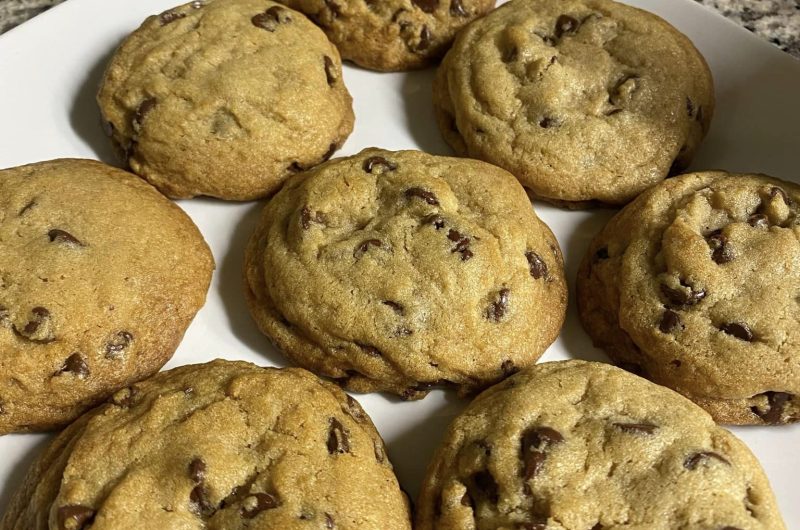
    Sourdough Chocolate Chip Cookies – Soft, Chewy & Rich in Flavor

    If you love classic chocolate chip cookies and enjoy baking with sourdough, Sourdough Chocolate Chip Cookies are the perfect fusion of tradition and indulgence. These cookies combine the deep, slightly tangy flavor of sourdough discard with buttery dough and melty chocolate chips, creating a cookie that’s soft in the center, lightly crisp on the edges, and incredibly flavorful.

    Using sourdough discard not only reduces waste but also adds complexity and balance to the sweetness of traditional cookies. Whether you’re an experienced sourdough baker or just looking for creative ways to use leftover starter, this recipe is guaranteed to become a favorite.
    In this complete guide, you’ll learn how to make perfect sourdough chocolate chip cookies, along with expert tips, storage advice, variations, and nutrition information.


    Why You’ll Love Sourdough Chocolate Chip Cookies

    • Soft and chewy texture

    • Rich, bakery-style flavor

    • Perfect use for sourdough discard

    • Balanced sweetness with subtle tang

    • Easy, no-fuss cookie recipe

    These cookies don’t taste “sour”—the sourdough simply enhances the flavor and texture.


    What Are Sourdough Chocolate Chip Cookies?

    Sourdough chocolate chip cookies are traditional chocolate chip cookies made with the addition of sourdough starter or sourdough discard. The natural acids in sourdough enhance flavor, improve texture, and slightly soften the dough.

    Unlike sourdough bread, these cookies do not rely on fermentation to rise. The sourdough is used for flavor and moisture, not leavening.


    Ingredients for Sourdough Chocolate Chip Cookies

    Dry Ingredients

    • 2½ cups all-purpose flour

    • 1 teaspoon baking soda

    • ½ teaspoon salt

    Wet Ingredients

    • ¾ cup unsalted butter, softened

    • ¾ cup brown sugar

    • ¼ cup granulated sugar

    • 1 large egg

    • 1 teaspoon vanilla extract

    • ½ cup sourdough discard (unfed starter)

    Add-Ins

    • 1½ cups chocolate chips or chunks


    How to Make Sourdough Chocolate Chip Cookies

    Step 1: Cream Butter and Sugars

    In a large bowl, beat the softened butter with brown sugar and granulated sugar until light and fluffy.

    Step 2: Add Wet Ingredients

    Mix in the egg, vanilla extract, and sourdough discard until smooth and well combined.

    Step 3: Combine Dry Ingredients

    In a separate bowl, whisk together flour, baking soda, and salt.

    Step 4: Make the Dough

    Gradually add dry ingredients to the wet mixture, mixing just until combined. Fold in the chocolate chips.

    Step 5: Chill the Dough

    Cover the dough and refrigerate for 30–60 minutes. Chilling improves flavor and prevents excessive spreading.

    Step 6: Bake

    Preheat oven to 175°C (350°F). Scoop dough onto lined baking sheets and bake for 10–12 minutes, until edges are lightly golden and centers are soft.

    Cool on the baking sheet for 5 minutes before transferring to a wire rack.


    Tips for Perfect Sourdough Cookies

    • Use unfed sourdough discard for mild flavor

    • Chill dough for thicker cookies

    • Do not overbake—cookies firm up as they cool

    • Use brown sugar for extra chewiness

    • Weigh flour for consistent results


    Flavor Variations

    Dark Chocolate Sourdough Cookies

    Use 70% dark chocolate chunks for deeper flavor.

    Nutty Sourdough Cookies

    Add chopped walnuts or pecans.

    Sourdough Chocolate Chunk Cookies

    Replace chips with chopped chocolate bars.

    Sea Salt Sourdough Cookies

    Sprinkle flaky sea salt on top before baking.


    Make-Ahead and Storage Tips

    Storage

    Store baked cookies in an airtight container at room temperature for up to 4 days.

    Freezing

    Freeze baked cookies or cookie dough balls for up to 3 months. Bake directly from frozen, adding 1–2 minutes.


    Nutrition Information (Per Cookie – Approximate)

    Nutrient Amount
    Calories 210 kcal
    Carbohydrates 28 g
    Protein 3 g
    Fat 10 g
    Saturated Fat 6 g
    Sugar 17 g
    Fiber 1.5 g
    Sodium 140 mg

    Nutrition values vary based on chocolate type and portion size.


    Are Sourdough Chocolate Chip Cookies Healthier?

    While still a treat, sourdough chocolate chip cookies offer slight benefits over traditional versions. Sourdough discard adds natural acids that may help with digestion and flavor balance. Additionally, using less sugar or dark chocolate can make them slightly more nutrient-dense.


    Common Mistakes to Avoid

    • Using overly sour starter

    • Skipping chill time

    • Overmixing the dough

    • Baking too long

    • Using melted butter instead of softened


    Why Bake Cookies with Sourdough Discard?

    • Reduces kitchen waste

    • Enhances flavor complexity

    • Adds moisture and softness

    • Easy way to use excess starter

    Sourdough discard is incredibly versatile and works beautifully in cookies.


    Frequently Asked Questions About Sourdough Chocolate Chip Cookies

    Do these cookies taste sour?

    No. They have a mild, rich flavor with no strong sour taste.

    Can I use active starter?

    Yes, but discard works best for consistent results.

    Can I make them gluten-free?

    Yes, with a 1:1 gluten-free flour blend.

    Do I need to ferment the dough?

    No fermentation is required for this recipe.


    Final Thoughts

    Sourdough Chocolate Chip Cookies are the perfect way to turn leftover sourdough discard into a bakery-quality treat. Soft, chewy, and full of rich chocolate flavor, they strike the perfect balance between classic comfort and artisan baking.

  • Hello world!

    Welcome to WordPress. This is your first post. Edit or delete it, then start writing!